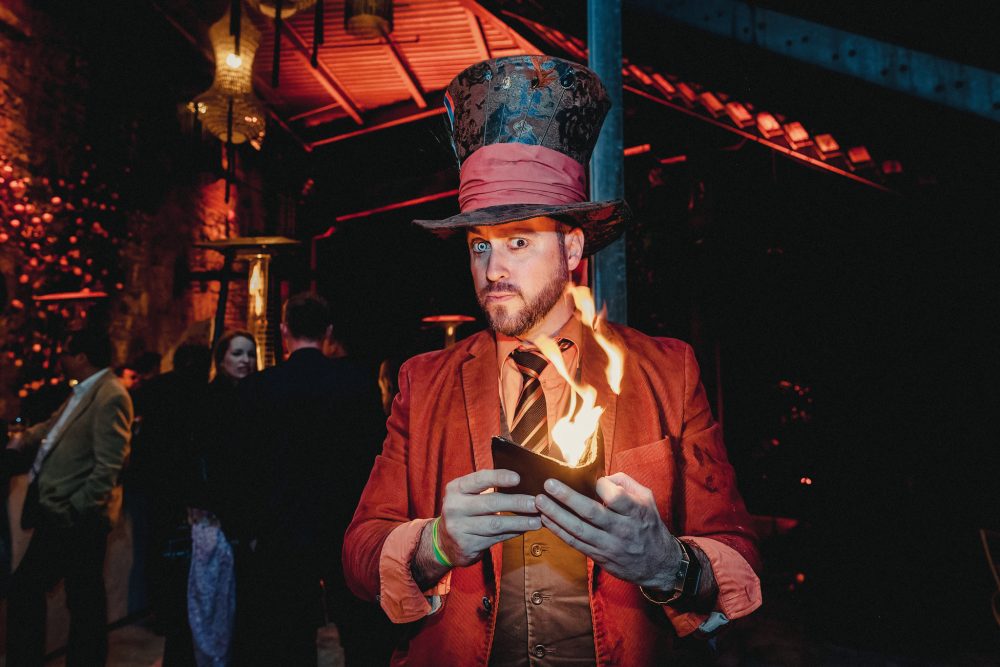
Corporate Event Photography ain’t what it used to be
As a corporate event photographer based in Montreal, I do my best to focus on a style of photography that I believe suits me best as both a person and as a photographer. That almost always involves one common theme… people.
One day, I may be shooting a big corporate event; the next day, I’ll be photographing a concert or taking headshots for a business looking to revamp its online presence.
The one thing that I believe makes me good at adapting to these often varied events is that I’m good at connecting with the people who stand before my camera. That connection helps people to relax and for their personalities to come through in the final images.
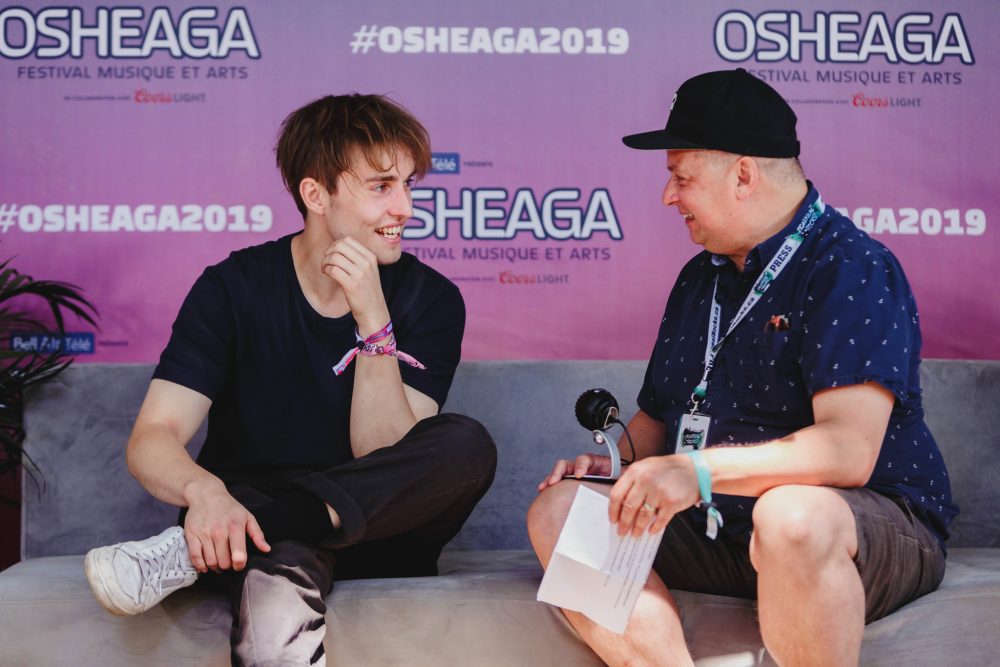
I’ve photographed award ceremonies at Place Des Arts and networking events at companies like WeWork and Shopify. I’ve photographed festivals like Osheaga and Igloofest for Jack Daniel’s, and I even got to shoot Kylie Jenner’s birthday party at Beach Club.
In today’s visually-driven world, corporate event photography has evolved from a luxury add-on to an essential marketing investment. Whether you’re hosting a product launch, conference, team-building retreat, or office holiday party, professional photography transforms these moments into powerful visual assets that tell your company’s success story.
Let me guide you through everything you need to know about corporate event photography – from understanding its value to hiring the right professional and maximizing your investment.

Why Professional Corporate Event Photography Matters
Building Your Brand’s Visual Identity
Professional corporate event photography does more than document what happened – it showcases who you are as a company. Every image becomes part of your brand’s visual identity, conveying your corporate culture, values, and attention to detail.
“Events are important investments for companies. Therefore, it is essential to hire a professional photographer. They can capture high-quality images. Bad photography stands out and not for the right reasons,” explains Lucy Tomkins, Reed & Mackay Event Experience Lead.
Consider this: What impression does a poorly lit, awkwardly framed smartphone photo create versus a professionally composed image that captures genuine engagement and energy? The difference isn’t just aesthetic – it’s the difference between undermining and enhancing your brand’s credibility.

Creating Valuable Marketing Assets
Those event photos serve multiple purposes long after your event concludes:
- Social media content that drives engagement
- Website imagery that showcases your company culture
- Email marketing visuals that highlight company milestones
- Recruitment materials that attract top talent
- Press releases that generate media coverage
- Internal communications that build team pride
As Tomkins notes, “Event photos can be shared in real-time with event attendees to showcase memories made and to increase attendee satisfaction. Additionally, they are critical for future engagement, whether marketing the next event or sharing internally and externally with stakeholders.”

Documenting Your Company’s Journey
Every corporate event represents a milestone in your organization’s evolution. Professional photography creates a visual archive of your company’s growth journey – from early team gatherings to major product launches and industry recognitions.
This visual history becomes increasingly valuable as your company grows, providing authentic imagery for anniversary celebrations, company retrospectives, and brand storytelling opportunities.

7 Essential Elements of Exceptional Corporate Event Photography
1. Strategic Planning
The difference between mediocre and exceptional event photography often comes down to planning. Before your event:
- Create a shot list of must-capture moments (keynote speakers, award presentations, networking sessions)
- Identify key personnel who should be photographed
- Share your event agenda with your photographer, highlighting priority moments
- Discuss specific angles or compositions that align with your brand aesthetic
- Plan for a variety of shots: wide-angle to capture the atmosphere, mid-range for group interactions, and close-ups for emotional moments
Planning ensures nothing important gets missed while giving your photographer creative freedom to capture unexpected moments.
2. Professional Lighting Expertise
Lighting can make or break your event photography. Professional photographers understand how to:
- Work with challenging venue lighting conditions
- Use external lighting equipment when necessary
- Create consistent, flattering light across various settings
- Adjust techniques for different times of day and locations
- Balance artificial and natural light sources
For indoor events, ensure your venue has adequate, well-balanced lighting. Avoid harsh, direct lights or overly dim setups that result in unflattering images. For outdoor events, professional photographers know how to leverage natural light advantages while mitigating challenges like harsh midday sun.
3. Capturing Authentic Moments
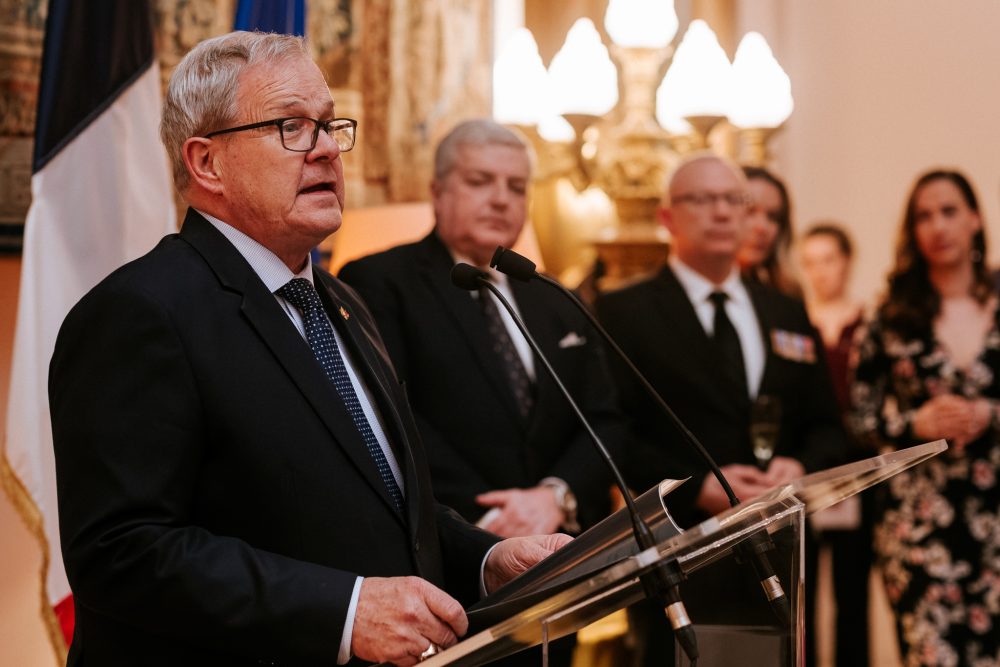
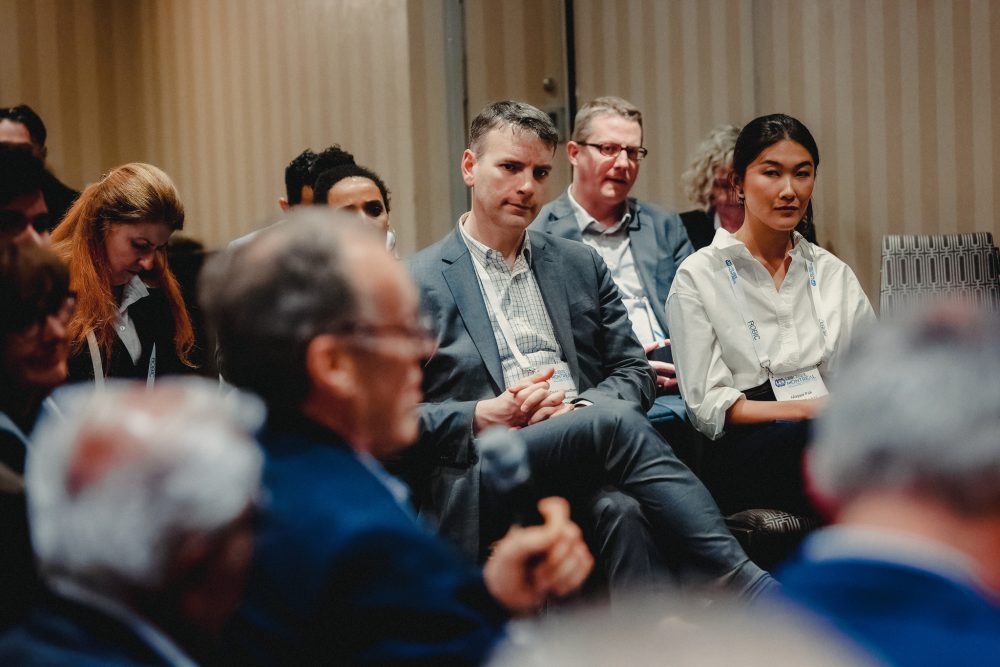
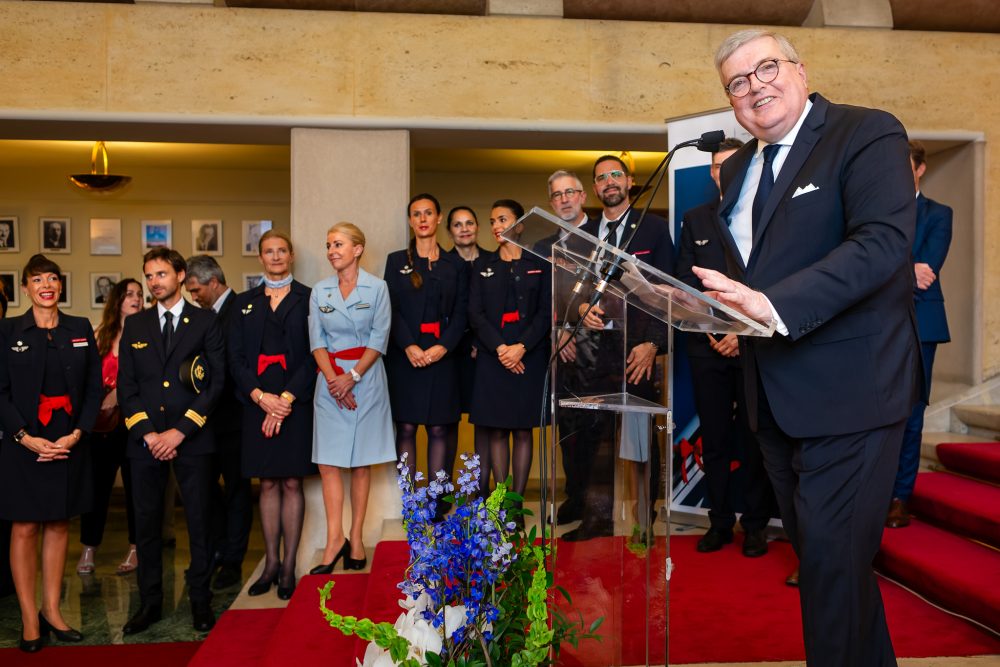
While posed group photos have their place, the most compelling corporate event photography captures authentic interactions:
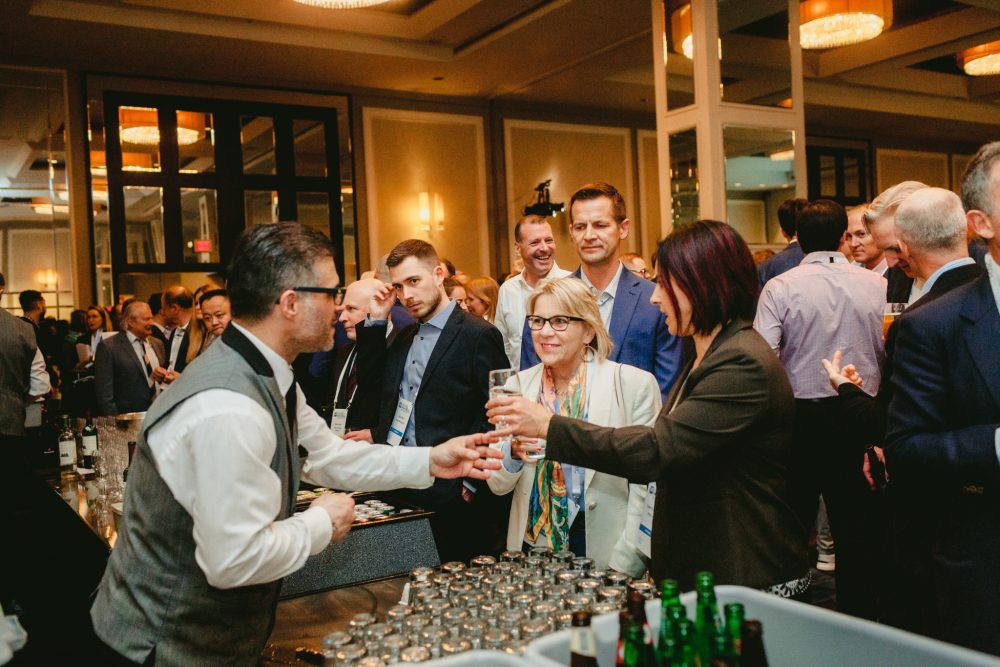
- Team members engaged in genuine conversation
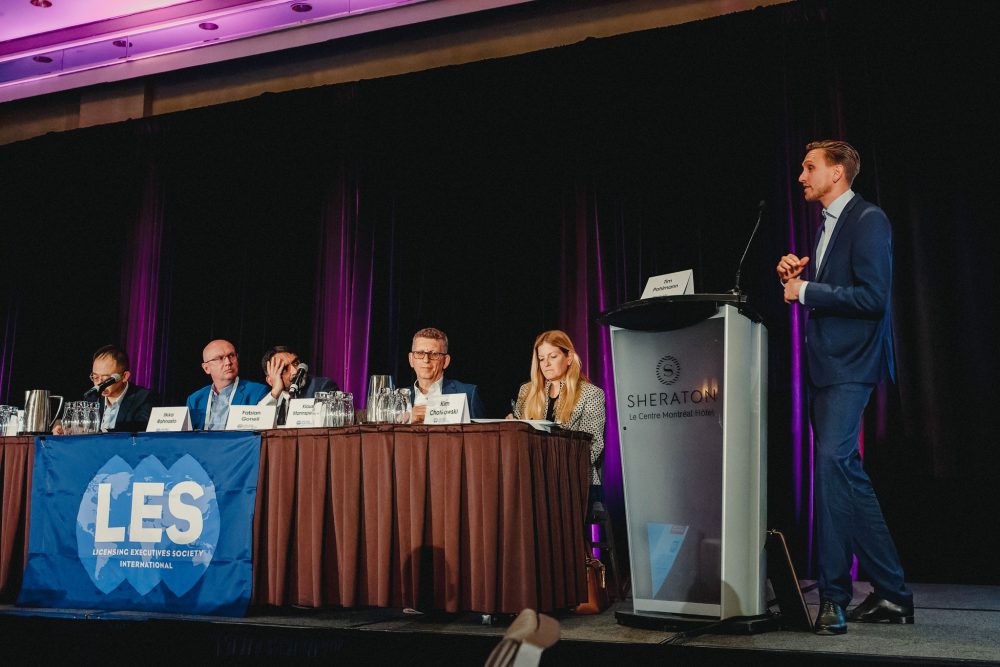
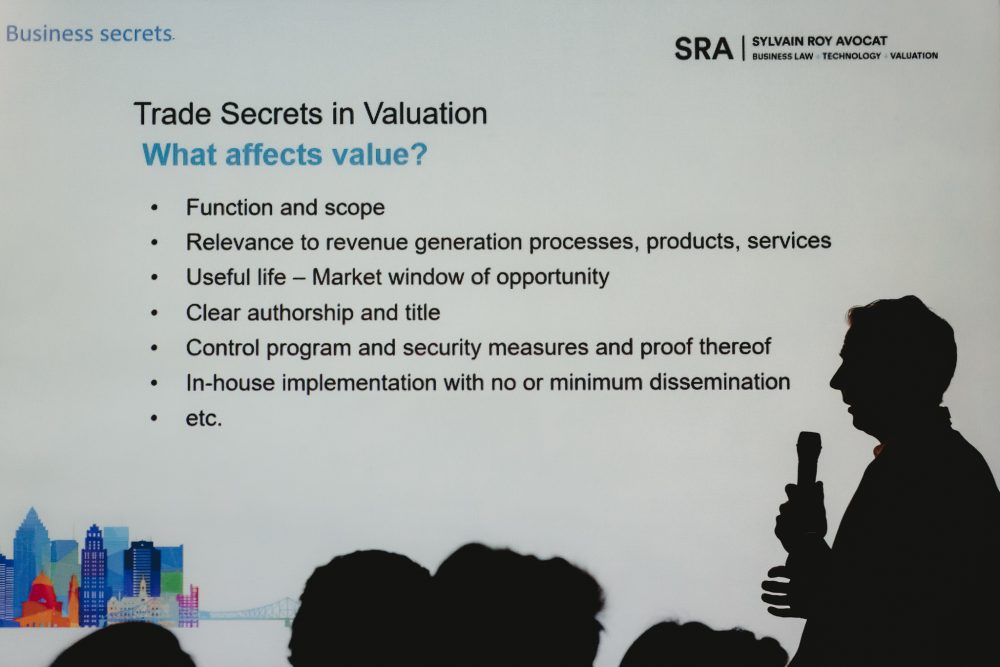
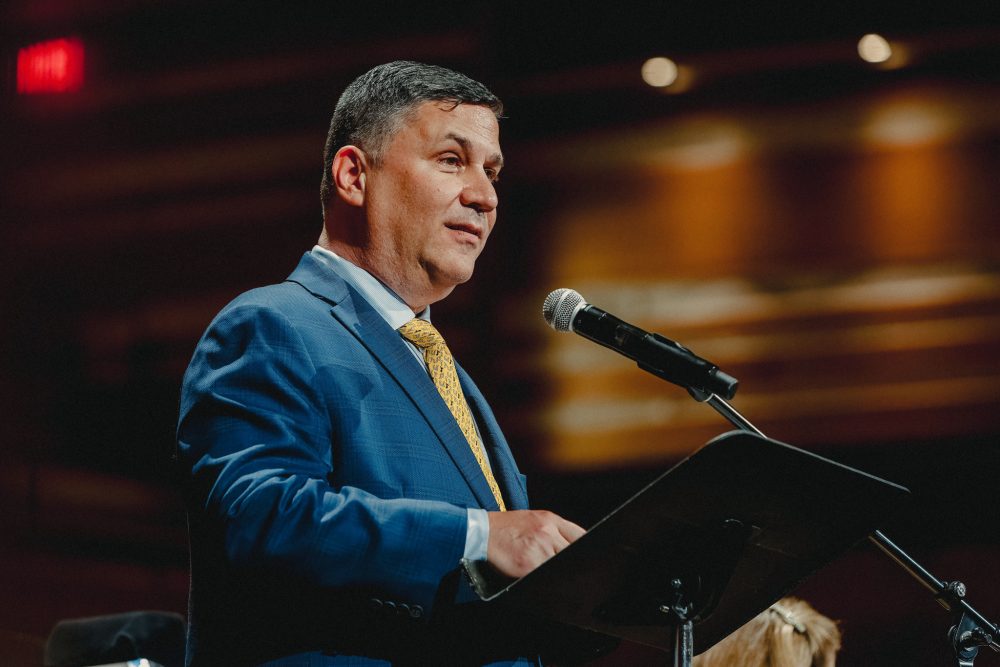
- Speakers’ passionate gestures during presentations
- The concentration on attendees’ faces during demonstrations
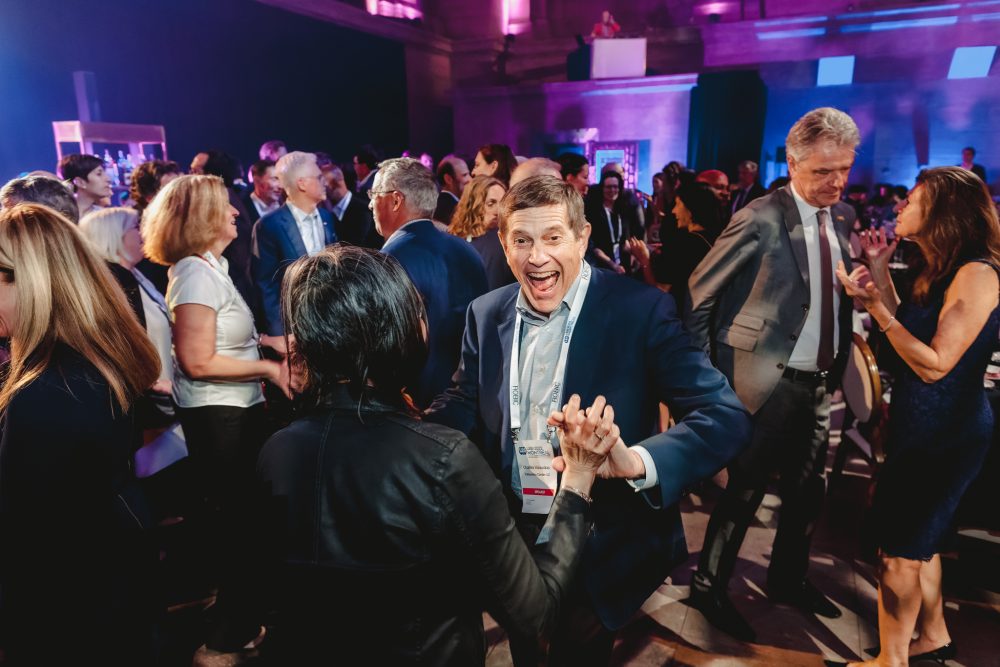
- Spontaneous laughter during networking sessions
- Celebratory moments that showcase your company culture
These candid moments often become your most valuable images because they present a genuine and relatable side to your organization. A skilled event photographer knows how to blend into the background, becoming nearly invisible while capturing these natural interactions.
4. Technical Excellence
Professional event photographers bring technical expertise that smartphone photography simply can’t match:
- High-end camera equipment capable of handling various lighting conditions
- Multiple lenses for different types of shots
- Experience in composition and framing
- Knowledge of camera settings for fast-moving environments
- Post-processing skills to enhance images while maintaining authenticity
This technical excellence ensures your images are sharp, properly exposed, and professionally composed – even in challenging event environments.
5. Brand-Conscious Composition
Every photo should reinforce your brand identity through thoughtful composition:
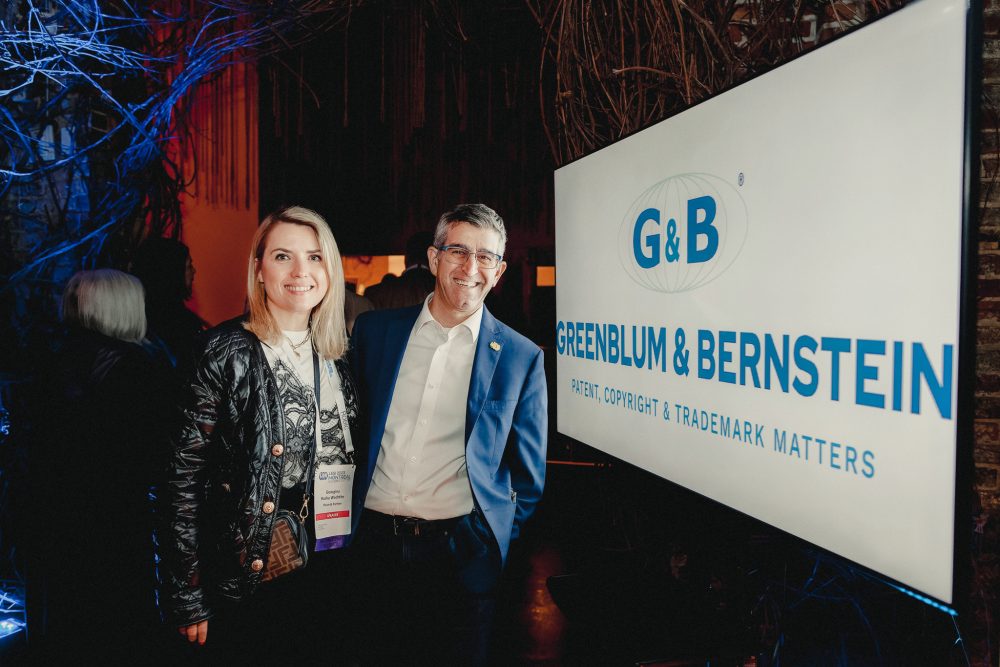
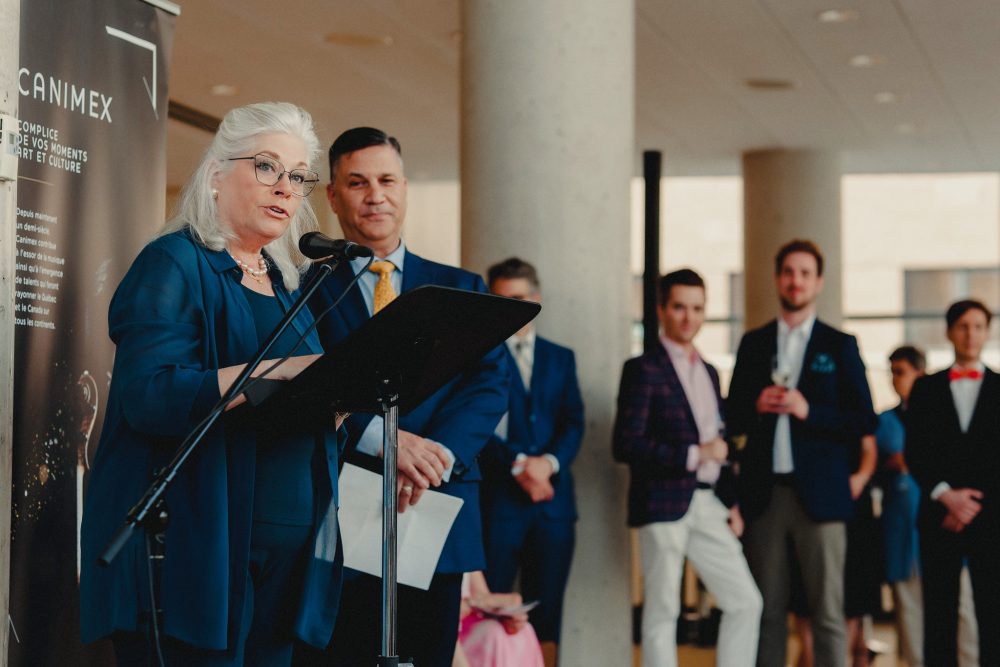
- Include branded elements (signage, banners, promotional materials)
- Capture your company logo in context
- Frame shots to include corporate colors or themed décor
- Document product displays or demonstrations
- Photograph branded merchandise in use
As Lucy Tomkins notes, “The more your branding is in the images, the more professional they look.” These brand-conscious compositions create cohesive visual content that strengthens recognition across all marketing channels.

6. Storytelling Through Sequence
Great event photography tells a cohesive story through a sequence of images:
- Preparation and setup moments
- Arrival and welcome interactions
- Key presentations or announcements
- Audience reactions and engagement
- Networking and conversation highlights
- Celebration and conclusion
This narrative approach creates a complete visual story of your event rather than disconnected snapshots, allowing you to repurpose content for blog posts, social media series, and marketing campaigns.

7. Efficient Delivery and Organization
Professional event photographers provide organized, ready-to-use deliverables:
- Curated galleries of high-resolution images
- Quick turnaround for time-sensitive content
- Digital organization by event segment or category
- File naming conventions that make image management easier
- Options for both web-optimized and print-quality files
This professional approach saves your team valuable time and ensures you can quickly leverage your visual assets.

How to Hire the Right Corporate Event Photographer
Finding the right photographer is crucial for capturing your corporate events effectively. Here’s what to consider:
1. Evaluate Their Portfolio and Experience
Look for a photographer with specific corporate event experience. Their portfolio should demonstrate:
- Familiarity with business environments
- Ability to capture both formal and candid moments
- Experience with similar events to yours
- Consistent quality across various lighting conditions
- A style that aligns with your brand aesthetic
Ask about their experience with your specific type of event – a conference photographer may have different skills than someone who specializes in product launches or award ceremonies.
2. Assess Their Equipment and Technical Capabilities
Professional event photographers should have:
- Multiple professional-grade camera bodies (including backups)
- A variety of lenses for different shooting situations
- External lighting equipment for challenging venues
- Backup systems for immediate image storage
- Appropriate liability insurance
Don’t hesitate to ask specific questions about their equipment setup and contingency plans.

3. Communication Style and Personality Fit
Your photographer will interact with your team, executives, and attendees, so their communication style matters:
- Do they ask thoughtful questions about your event goals?
- Are they responsive and clear in their communications?
- Do they listen to your specific needs and concerns?
- Can they work unobtrusively in professional settings?
- Do they have the confidence to direct group shots when needed?
The best corporate event photographers combine professionalism with approachability, making subjects comfortable while maintaining efficiency.
4. Clear Pricing and Deliverables
Professional photographers should provide transparent information about:
- Hourly or package rates
- Number of final edited images included
- Timeline for image delivery
- Rights and usage terms
- Additional costs for extra hours or special requests
- Options for prints, albums, or other physical products
Beware of vague pricing or photographers who can’t clearly explain their deliverables.
5. Reviews and References
Always check reviews and request references from previous corporate clients. Ask specific questions:
- Was the photographer professional and punctual?
- Did they capture all the key moments requested?
- How did they interact with executives and attendees?
- Were the images delivered on time and as promised?
- Would you hire them again for your next corporate event?
Personal recommendations from other corporate clients often provide the most reliable insights.
Maximizing Your Corporate Event Photography Investment
Once you’ve hired a professional photographer, these strategies will help you maximize your return on investment:
1. Brief Your Photographer Thoroughly
Share detailed information about:
- Your company’s brand guidelines and visual identity
- Key personnel who should be featured
- Critical moments that must be captured
- Any sensitive situations to avoid photographing
- Specific ways you plan to use the images
The more context your photographer has, the better they can align their work with your needs.
2. Designate a Point Person
Assign someone from your team to:
- Meet the photographer upon arrival
- Facilitate introductions to key personnel
- Alert the photographer to spontaneous photo opportunities
- Handle any questions or concerns during the event
This ensures your photographer can focus on capturing images rather than navigating organizational questions.

3. Create a Shot List with Priorities
While allowing for creative freedom, provide a prioritized list of:
- Must-have group photos
- Key presentations or speakers
- Important attendees or VIPs
- Branded elements that should be featured
- Product displays or demonstrations
Ranking these by importance helps your photographer allocate their time effectively.
4. Plan for Image Distribution
Before your event, determine how you’ll use and share the images:
- Which platforms will feature the photos?
- Do you need images optimized for different channels?
- Will you need photos for immediate social sharing?
- Are there embargoed announcements requiring photo coordination?
- Which departments will need access to the image library?
Communicating these needs helps your photographer deliver files in the most useful formats.

5. Schedule a Post-Event Review
After receiving your images, schedule time to:
- Analyze which photos performed best on social media
- Identify the most effective compositions for future events
- Note any missed opportunities to improve next time
- Organize images for easy reference in your digital asset management system
This feedback loop improves your photography strategy for future events.
The ROI of Professional Corporate Event Photography
When evaluating the cost of professional photography, consider these tangible returns:
- Enhanced Brand Perception: Professional imagery elevates how clients, partners, and competitors perceive your organization
- Extended Event Impact: Quality photography extends your event’s reach and lifespan through multiple content channels
- Time Efficiency: Professional photographers deliver organized, ready-to-use assets that save your marketing team valuable production time
- Increased Engagement: Authentic, high-quality images generate significantly higher engagement on social and digital platforms
- Long-term Asset Value: A professionally documented corporate history becomes increasingly valuable as your company grows

Modern Headshots for Modern Businesses
I also shoot regular personal brand photography and business headshots, as well as actors’ headshots.
Business portraits are essential in portraying a good image of your company. It’s important to think about the message you are trying to convey and dress to match. For example, a law firm might opt for wearing a suit and looking more serious, whereas a creative business owner might prefer something more casual and fun with their headshot. Portraits help to humanize your business, whether it’s editorial or professional.
Headshots are usually taken within the place of work. This is a more modern and creative approach, telling more of a story than the standard white-background photos done in a studio but it is still considered professional. For example, a chef might have their editorial portrait taken in the kitchen, wearing a chef’s hat. This type of headshot is often found in magazines as well as online.
Professional headshots are usually done in the photography studio with a neutral background and special lighting so that the pure focus is on the subject. In terms of framing, the subject’s shoulders and top of the bust are usually visible. Office wear can be smart or casual, depending on the company and the image it wants to portray.
Large companies often use professional portraits to present their employees, but they are also used on social media sites, such as LinkedIn and Twitter, and on CVs as profile pictures.
I work primarily in the Montreal and Ottawa areas but regularly travel throughout Quebec, Ontario, and beyond.
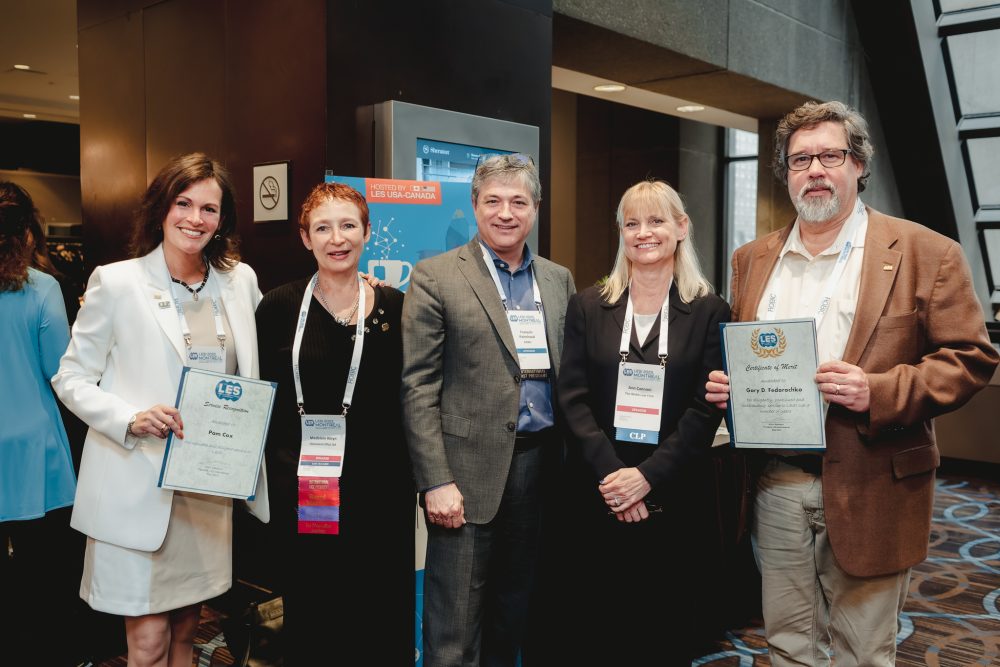
For more examples of my headshots, personal brand photography and corporate work, visit stevegerrardphoto.com

Conclusion: Telling Your Company’s Visual Story
In today’s visual economy, corporate event photography isn’t just about documenting what happened – it’s about crafting your company’s visual narrative. Each professionally captured image contributes to how your brand is perceived, remembered, and valued.
By investing in quality corporate event photography, you’re not simply recording moments – you’re creating powerful visual assets that tell your company’s success story across multiple platforms and audiences.
Remember: long after the details of speeches and presentations fade, compelling images continue working for your brand, creating lasting impressions and driving ongoing engagement with your company’s mission and achievements.
Ready to elevate your next corporate event? Start planning your photography strategy today and transform your next corporate gathering from a fleeting event into a valuable, lasting visual asset.