
Why Corporate Photography Still Beats AI Images (And What It’s Actually Costing Your Business)
I’ve been a professional photographer for nearly twenty years, the last twelve of them based in Montreal. Right now, something is shifting in how businesses think about their visual identity. Companies that leaned hard into AI-generated imagery are quietly walking it back.
Not all of them. Not yet. But the pattern shows up in client conversations, in rebrands, in briefs that arrive saying “we need this to look real.”
Why AI Images Are Backfiring on Businesses
Scroll through enough websites and the problem becomes visible. The slightly too-smooth faces. The lighting that belongs nowhere. The stock gloss that used to signal we had no budget and now signals something worse: we didn’t bother.
That second read is the real problem. The intention is usually to look current, cost-efficient, on top of things. The effect tends to be the opposite. Generated images read as generic because they are generic, assembled from everything and belonging to no one. When a company fills its site with them, it tells clients something it probably didn’t mean to say: there may not be much of a real business behind the logo.
What Real Photography Does That AI Can’t
The thing AI cannot fake is specificity.
A real photograph is of someone, somewhere, on a particular day, in light that existed for a few minutes and then changed. That’s what makes an image feel true rather than assembled. A potential client responds to that, even when they can’t name why.
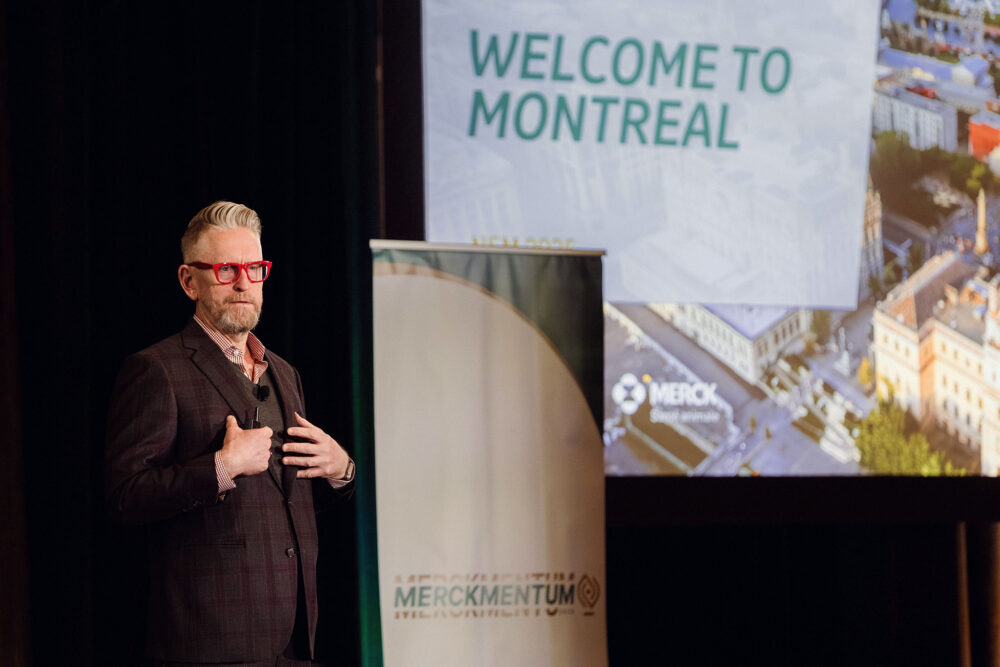
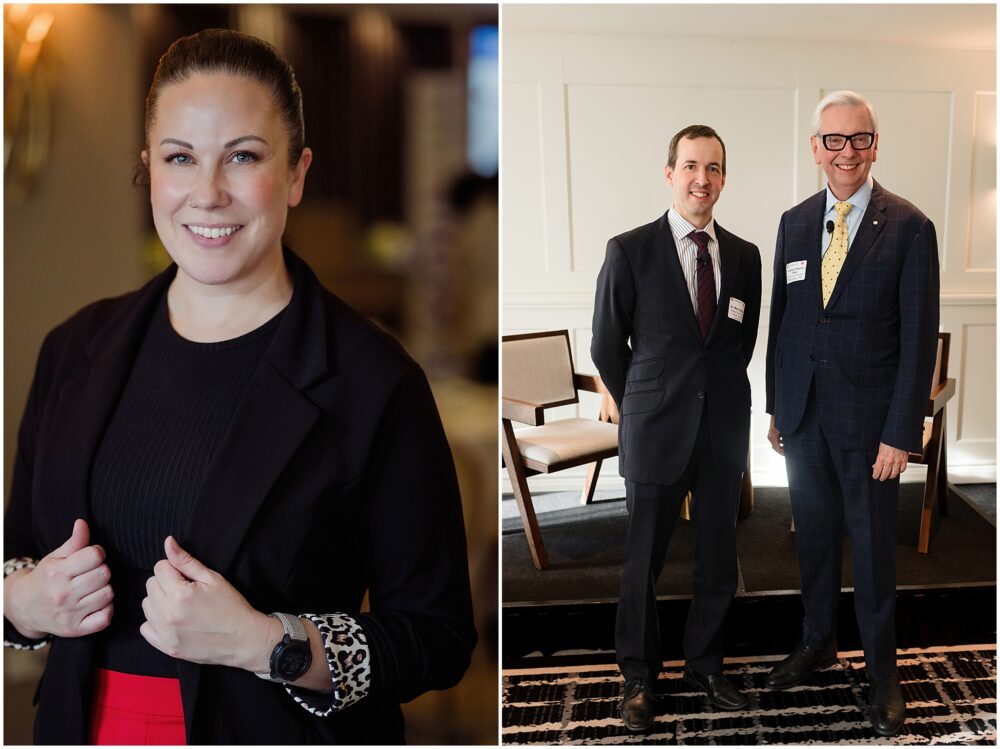
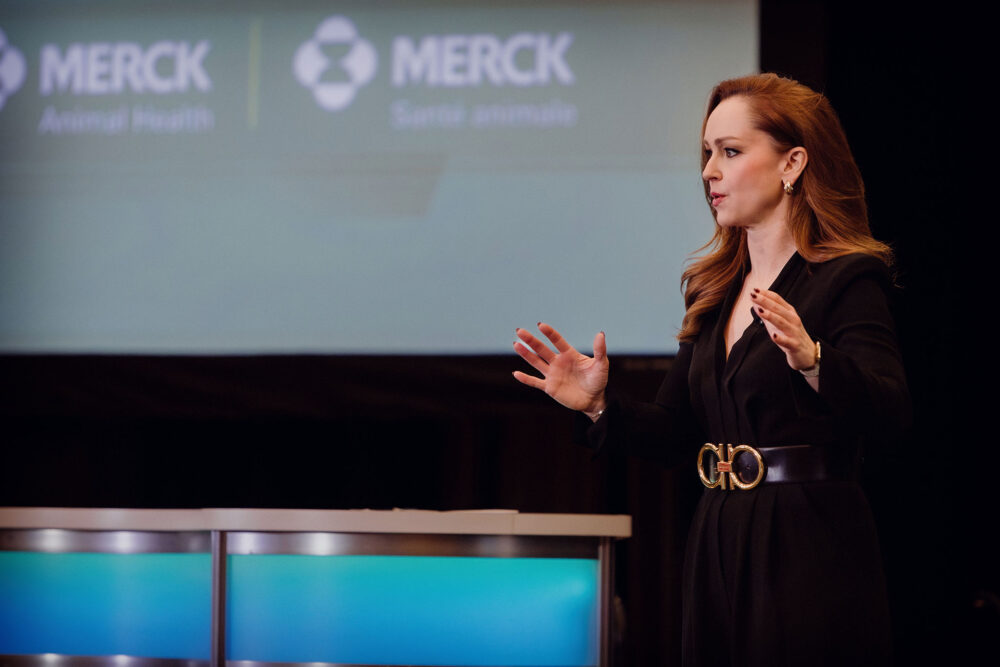
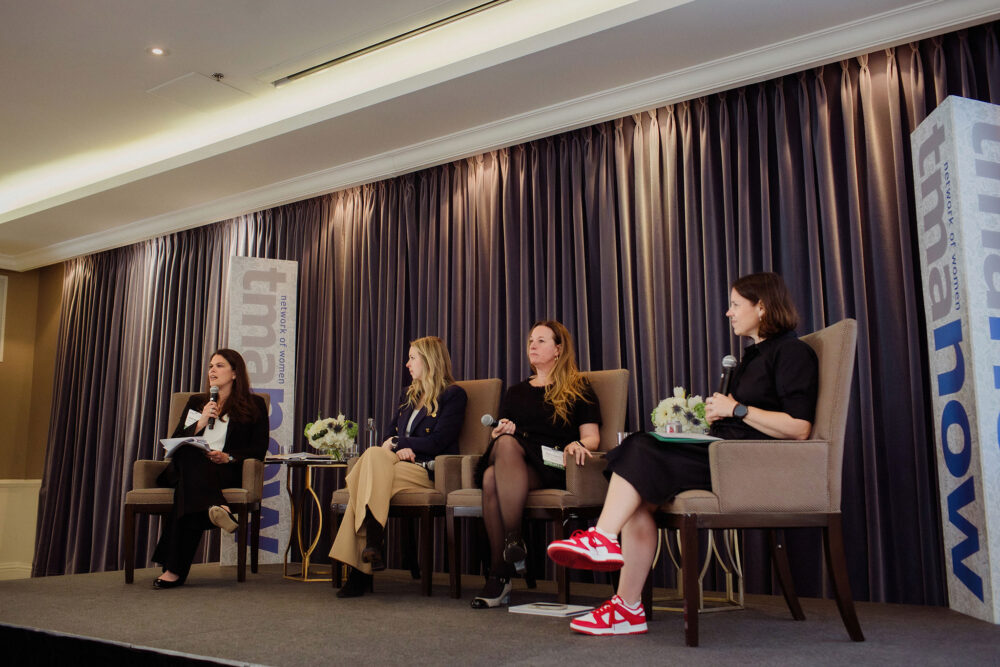
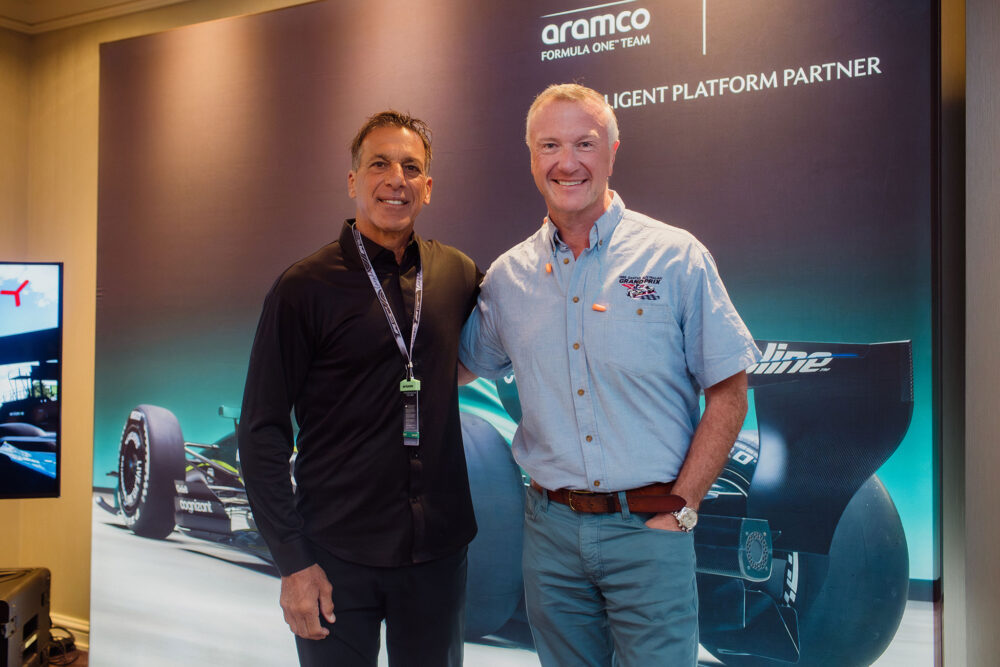
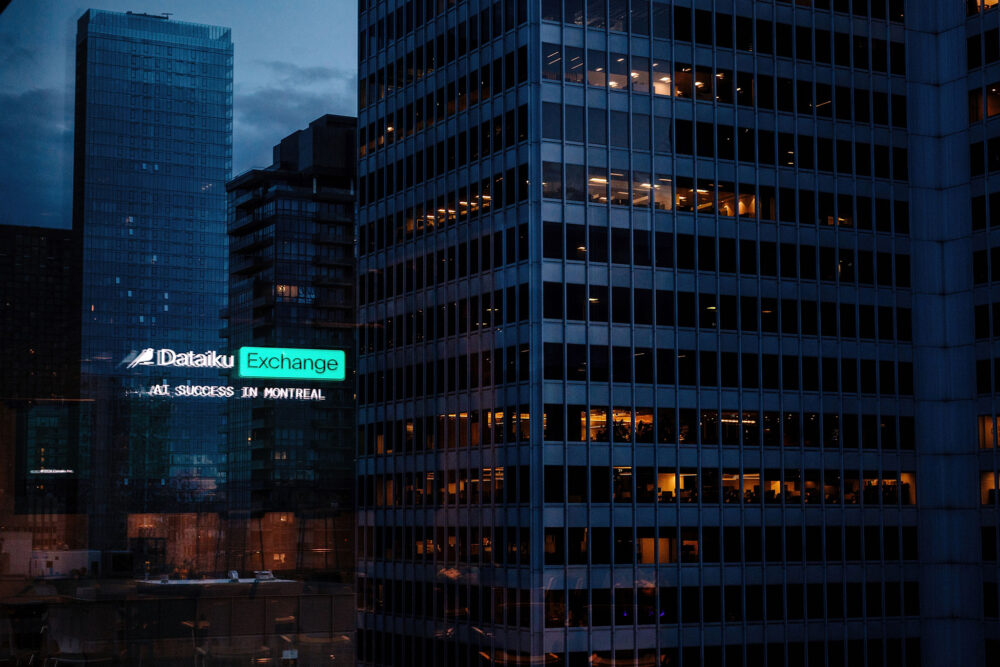
When I photograph a corporate event or conference, I’m documenting something that actually happened. The energy in the room, the speaker mid-sentence, the handshake after the presentation. Those moments are unrepeatable. No prompt produces them. For a business, the signal goes beyond aesthetics: it shows you were willing to invest in how you present yourself to the world.
The Problem with AI Headshots
Headshots are where this shows up most clearly right now.
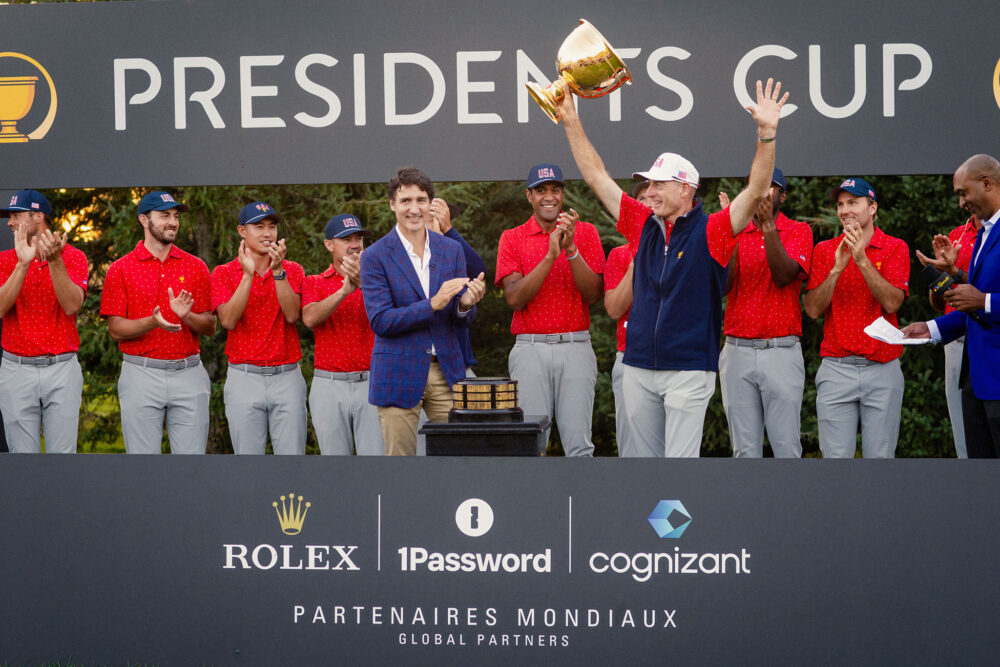
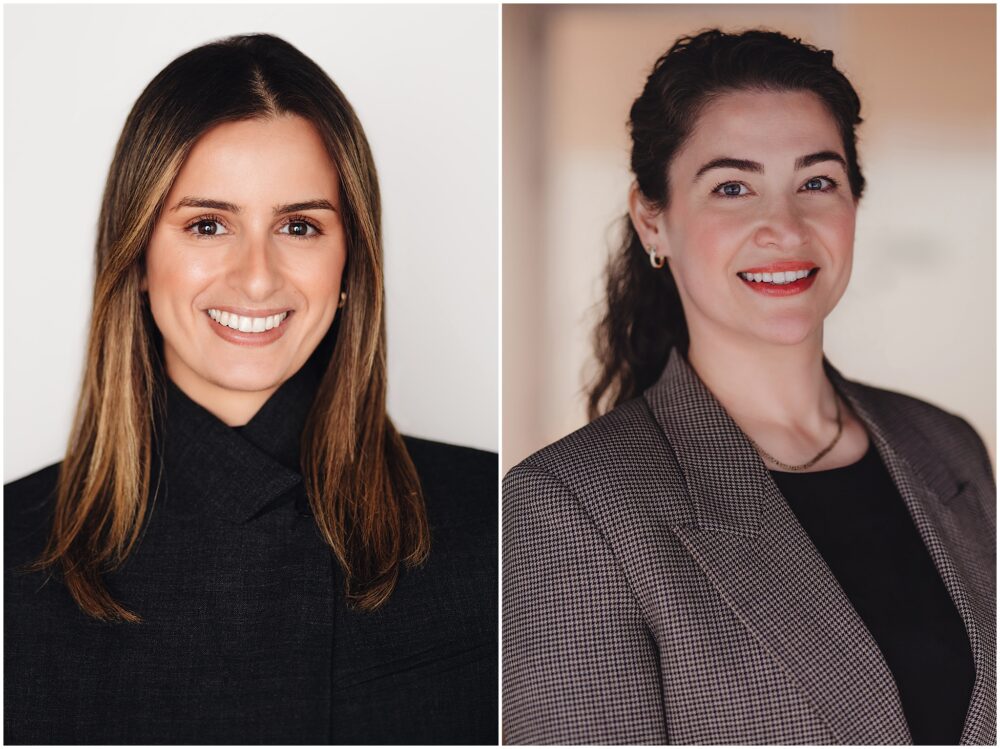
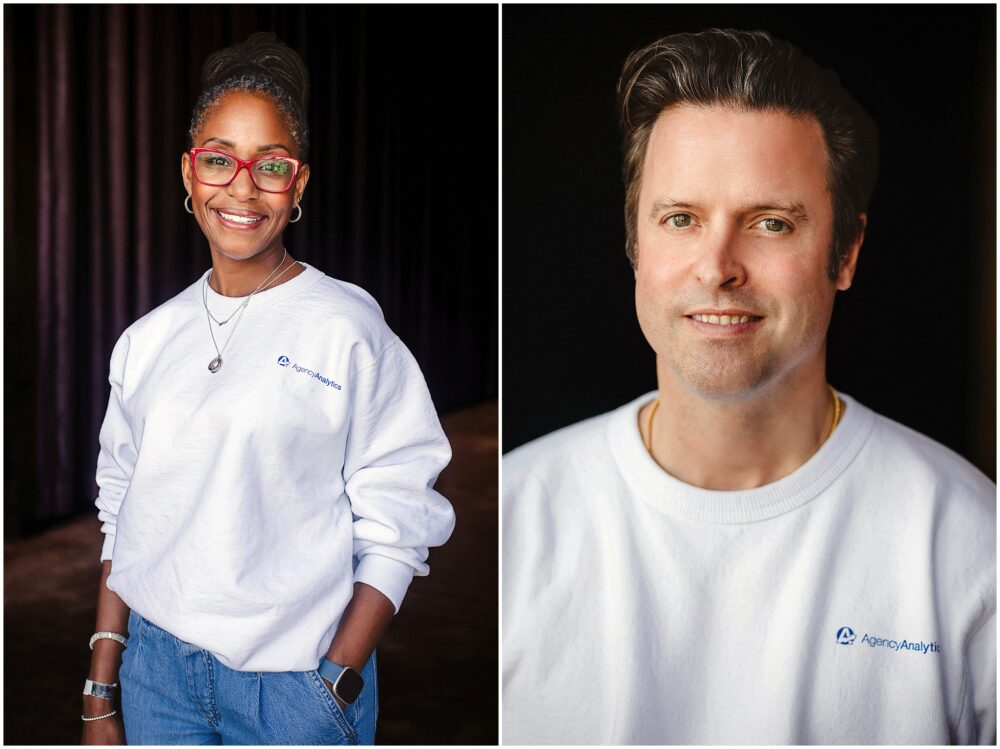
AI headshot tools are cheap and quick, and for a while they looked like a reasonable shortcut. But a headshot has a specific job. It tells a client, a hiring manager, or a conference attendee that there’s a real person on the other end of the email. A generated approximation of that person, always slightly off, quietly undercuts the trust the headshot was supposed to build.
I’ve had clients come to me after exactly this experience. The AI version looked polished and nothing like them, and the response from their professional network confirmed it. The cost isn’t just aesthetic. It’s credibility, one impression at a time.
A properly made headshot works quietly in the background every time someone searches your name, every time your face appears on a company page, every time you send a proposal.
Why This Is Good News for Businesses That Get It
This isn’t an argument against AI across the board. It’s an observation about value. As synthetic images become the default, an authentic photograph stands out by being honest. It shows a real person in a real setting. It proves a company was willing to put time and money into how it presents itself.
In a world where the alternative is free and generic, choosing the real thing has become a statement.
Professional photography was never only about attractive pictures. It’s proof that there’s a real business behind the brand, one confident enough to be seen as it actually is.
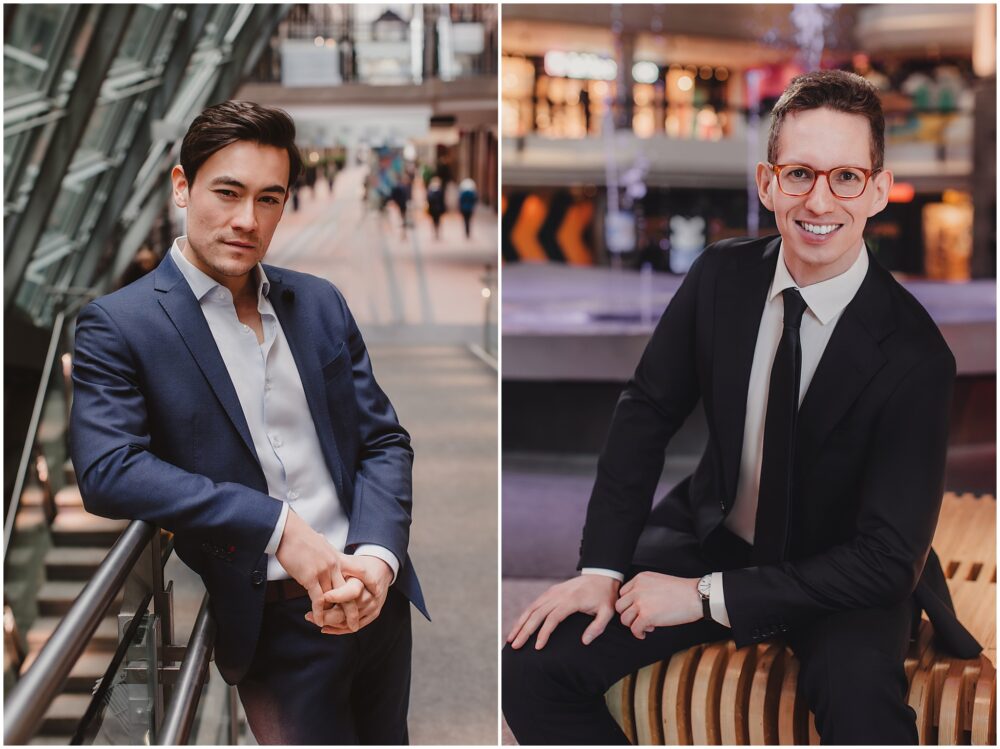
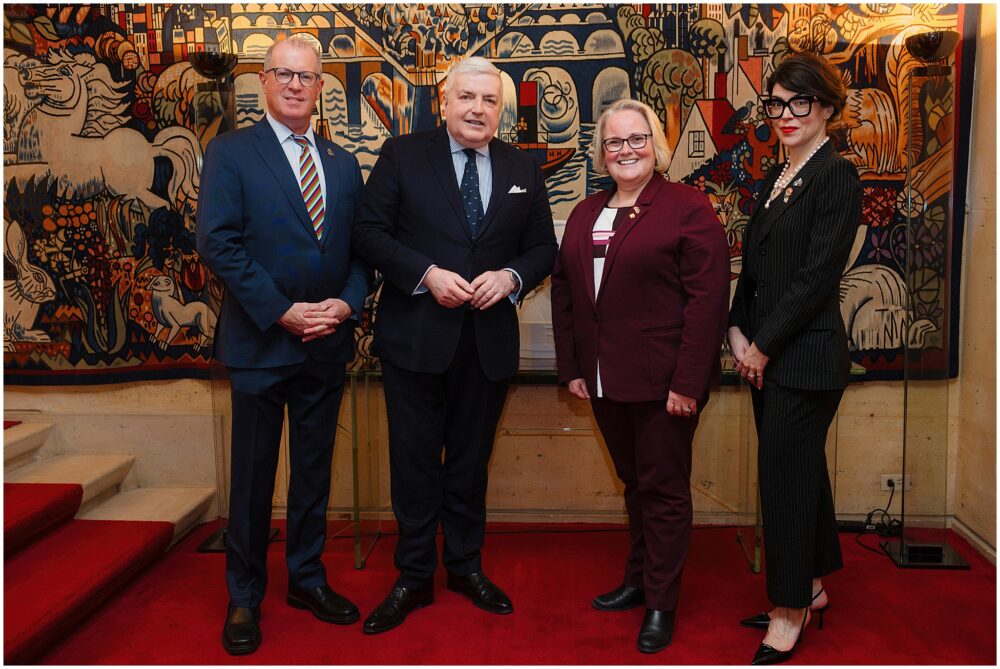
I photograph corporate events, conferences, headshots, and personal branding sessions across Montreal. If you want images that actually represent what you’ve built, take a look at my corporate photography work.


